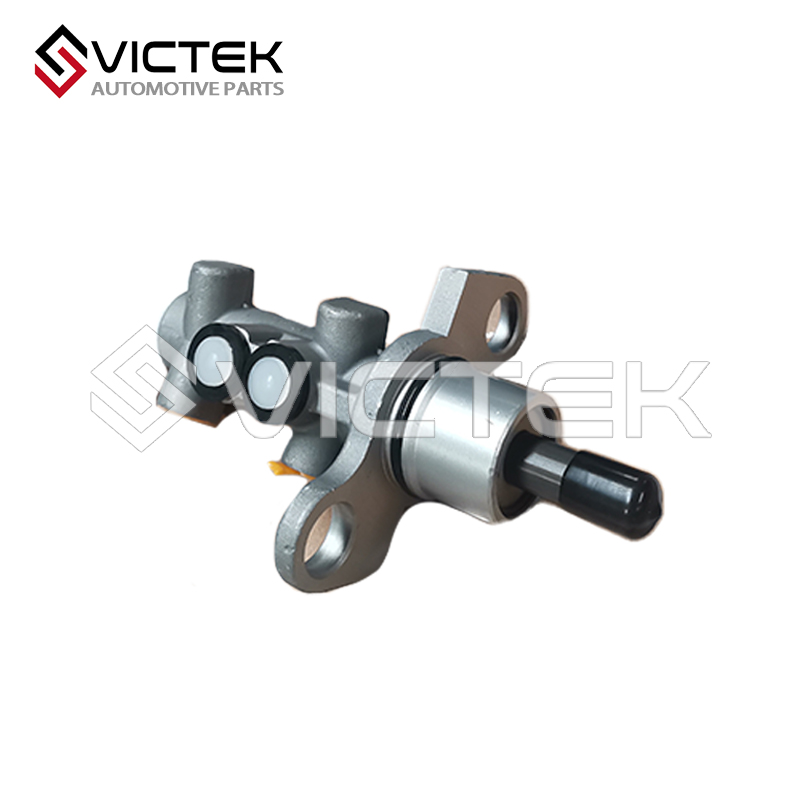
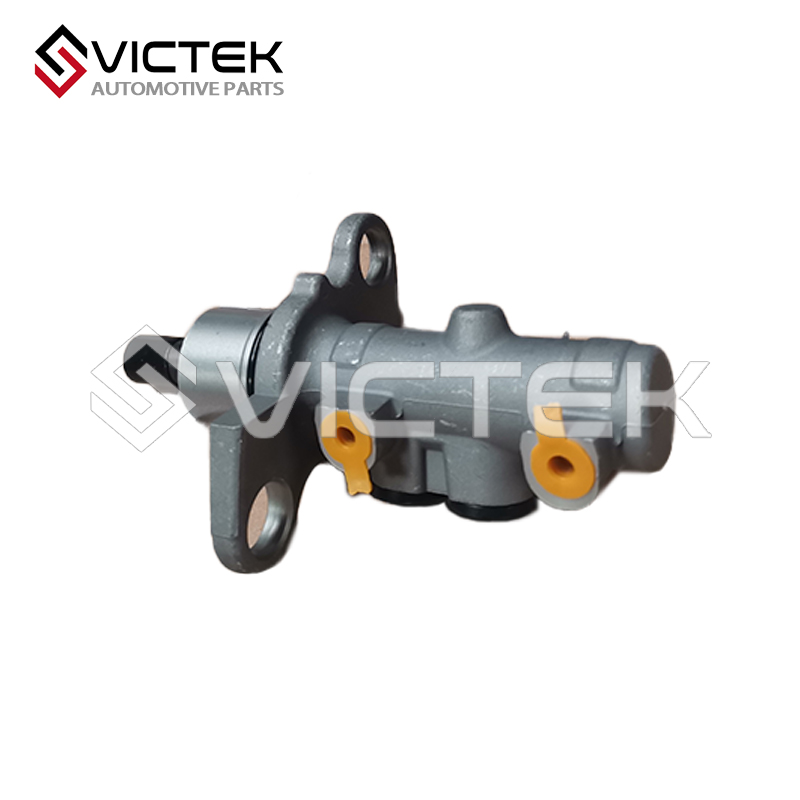
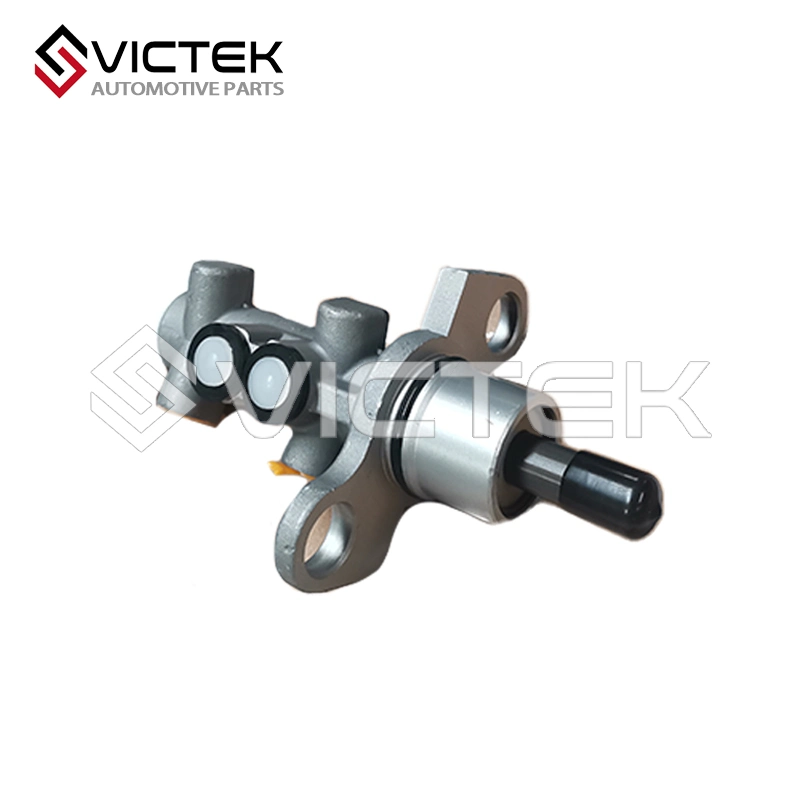
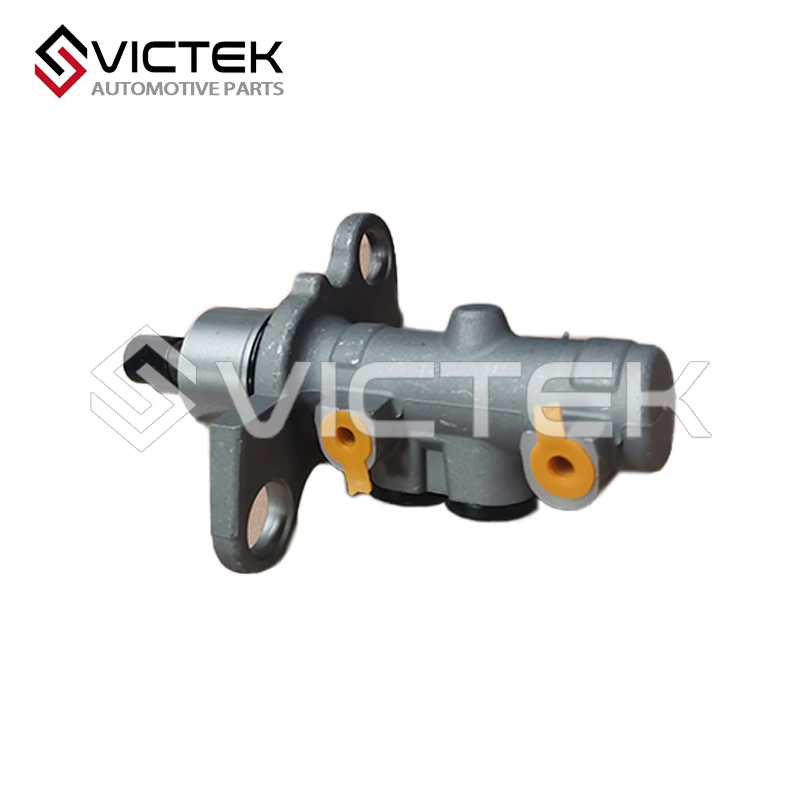
Brake PumpT11-3505010
Let’s chat about the BRAKE PUMP for the Dongfeng Dignity IX5—it’s actually the brake master cylinder, if we’re getting specific—with part number T11-3505010. This part’s a total game-changer for your car’s brakes, no joke—without it, stepping on the brake pedal would be totally useless. Here’s a super straightforward breakdown of what it is, how it works, and all the stuff you need to know:
First off, this brake pump is mostly built for the Dongfeng Dignity IX5 (also called Fengon ix5)—specifically the 2019-2022 versions that have the 1.5T turbo engine (the one labeled SFG15T/HD15). But hey, a cool perk here is that Dongfeng uses some shared parts across different models (they call it “platform sharing”), so this pump fits a couple other DFSK (Dongfeng Sokon) rides too. Stuff like the 2017-2021 Fengon 580, and even some older Fengon S560 models. Just make sure to double-check your car’s year and engine if you’re putting it in something that’s not the IX5—better safe than sorry,
right?
Picture this brake pump as the “go-between” for your foot and the car’s brakes. When you step on the brake pedal, it shoves a
piston inside the pump. That piston squishes the
brake fluid—usually the DOT4 kind—and turns the force from your foot into hydraulic pressure. Then that pressure zips through the brake lines to the brake calipers or wheel cylinders—y’know, the parts that clamp the brake pads onto the rotors—and bam, your car slows down or comes to a stop. Without it, the brake pedal would feel all spongy (or even sink right to the floor), and your brakes would be totally worthless.

Now, this part isn’t all flashy, but it’s built super durable—makes sense, right? It’s dealing with high pressure every single time you hit the brakes. Here’s the breakdown:
Main Body: It’s either made of cast aluminum or iron—aluminum’s the go-to now, since it’s lighter and doesn’t rust as easily. On top, there’s a little fluid tank (they call it a “reservoir”) that holds extra brake fluid. It’s easy to check how much fluid’s in there too—you’ll see MIN and MAX lines right on it.
Piston & Seals: Inside, there’s a piston with rubber seals that slides back and forth. Those seals? They’re a big deal—they stop brake fluid from leaking out and keep dirt from getting in. Most of these seals are made of nitrile rubber, which holds up great against brake fluid and doesn’t wear out fast.
Ports: On the side, there are 2 to 4 tiny ports—these hook up to the brake lines (usually one for the front brakes, one for the rear). Some versions even have an extra port for a pressure sensor, which works with the car’s brake warning light to let you know if something’s off.
These are just some handy tech details—no need to commit them to memory, but they’re useful to be aware of:
Working Pressure: It has to handle 10 to 15 MPa (which is a ton of pressure, by the way—we’re talking 1450 to 2175 psi) to make sure your brakes kick in fast when you need them.
Fluid Capacity: That little tank on top can hold roughly 200 to 300 mL of brake fluid. That’s plenty to keep the brake system full so you don’t have to top it off all the time.
Compatibility: Stick to DOT4 brake fluid—seriously, that’s what the manual recommends! Never mix in DOT3 or DOT5, though—those will eat through the seals and wreck the pump.

When to Swap It Out & How to Get It Installed
When It’s Time to Replace: Most mechanics will tell you to change this brake pump every 60,000 to 80,000 kilometers, or after 4 to 5 years—whichever comes first. But here’s the big thing: if you spot any of those “something’s wrong” signs we talked about later? Don’t wait around—swap it out ASAP. This part’s all about safety, so you can’t mess around with it!
Installation Heads-Up: Let’s be real—this isn’t a do-it-yourself project if you’re new to working on cars. The pump sits on the firewall (y’know, that metal wall that separates the engine from the inside of the car) right next to the brake booster. To install it, you’ve gotta drain out all the old brake fluid, unbolt the old pump, bolt the new one in, and then “bleed” the brake lines (that just means getting rid of air bubbles—if there’s air in there, your brakes’ll feel all spongy and won’t work right). Always have a pro mechanic do this—if you mess up the installation, your brakes could fail, and that’s super dangerous.
Does this laid-back vibe work for you? If you want to tweak any part—like making it even more casual or clarifying a step—just say the word!

Contact us