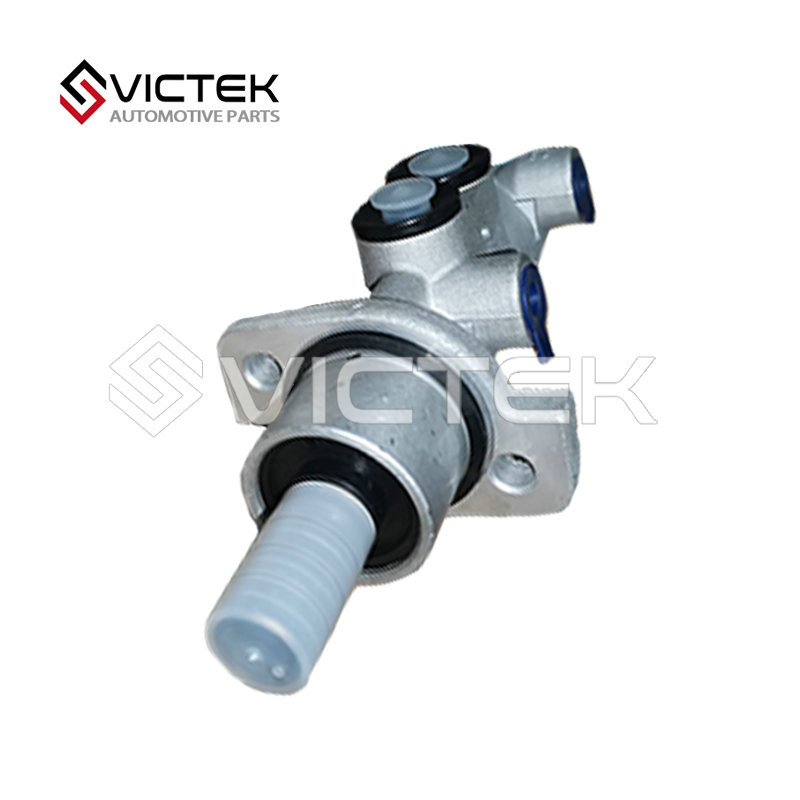

3497029-2J10
Turn pedal pressure into hydraulic force: When you press the brake pedal, it pushes the pump’s internal piston. This squeezes brake fluid in the pump’s cylinder, turning gentle foot pressure into high hydraulic pressure (up to hundreds of PSI) that flows through the brake lines.
Power all four brakes: The pressurized fluid from the pump travels to the front and rear brake calipers/wheel cylinders. This pressure pushes the brake pads against the rotors (or shoes against drums), creating friction that slows or stops the H330—no pump = no braking force.
Maintain brake pressure (prevent fade): It keeps consistent pressure in the brake lines, even during repeated hard braking (like stopping quickly multiple times). This prevents “brake fade” (when brakes lose strength from overheating) and ensures reliable stopping every time.
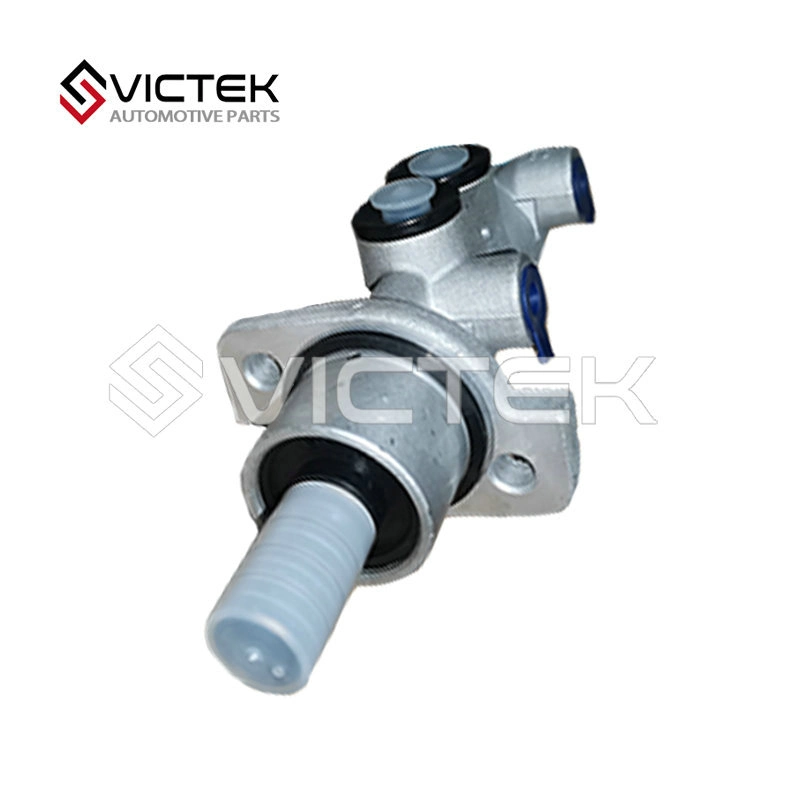
Fits These: All Brilliance H330 variants (matches the brake system’s hydraulic specs, firewall mounting, and pedal linkage—confirm with your VIN).
Won’t Fit These:
Other Brilliance models: Like Brilliance H220 or H530—different brake system pressure needs and mounting positions (pump can’t drive brakes properly).
Non-Brilliance vehicles: Even if similar in shape, brake line layouts and pedal linkage differ (no functional compatibility, risking no brakes).
H330 with modified brakes: Aftermarket big brake kits need matching high-pressure pumps—original pump can’t meet demand.
Prep: Techs drain old brake fluid, disconnect the brake lines and pushrod from the old pump, then unbolt the pump from the firewall.
Install new pump: They mount 3497029-2J10 to the H330’s firewall (aligning pushrod and line ports), reconnect lines, and fill the reservoir with Brilliance-specified brake fluid.
Bleed the system: Critical step—techs remove air from the brake lines (air = spongy brakes). They pump the pedal and open bleed valves until no air bubbles come out.
Test: They check for leaks, test brake pedal feel (should be firm, no sponginess), and do a low-speed test drive to confirm reliable stopping.
Check fluid level: Every month, look at the reservoir—fluid should be between “MIN” and “MAX” marks. Low fluid means a leak (fix immediately).
Inspect for leaks: Look around the pump and brake lines for wet spots (brake fluid is clear/yellowish and slippery). Leaks = loss of pressure = dangerous.
Replace fluid regularly: Change brake fluid every 2 years (fluid absorbs moisture, which corrodes the pump and reduces braking power).
Watch for warning signs: Spongy pedal, longer stopping distance, or fluid leaks—these mean the pump needs inspection (don’t drive until fixed).

Summary: Brilliance H330 Brake Pump (3497029-2J10)
Contact us