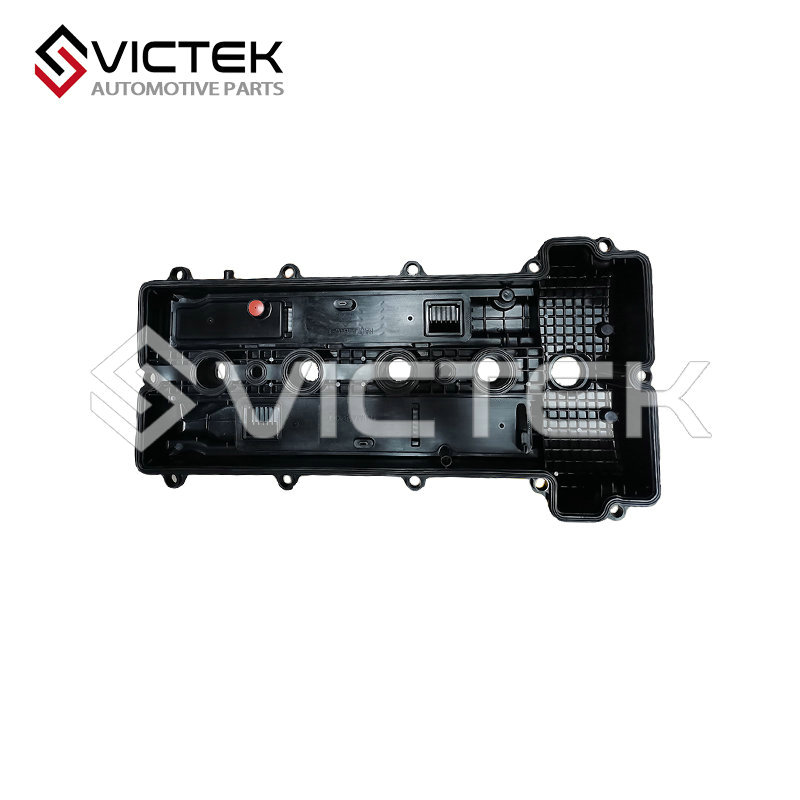

484Q-10-220-T
Shield valve components: It encloses the valve train, keeping out dirt, sand, and moisture—preventing scratches on camshafts, jamming of valve springs, or corrosion of rocker arms.
Prevent oil leaks: The rubber gasket creates a tight seal between the valve house and cylinder head, ensuring engine oil stays inside to lubricate the valve train (no leaks that lead to low oil pressure or engine damage).
Reduce engine noise: By covering the moving valve parts, it dampens the mechanical sound of valves and camshafts—making the S7’s engine run quieter, especially at idle or low speeds.

Fits These: All Haima S7 variants equipped with the 484Q engine (matches cylinder head shape, gasket size, and bolt pattern—confirm with VIN).
Won’t Fit These:
Haima S7 with other engines: If your S7 has a different engine model (not 484Q), the cylinder head layout differs (valve house won’t attach).
Other Haima models: Like S5, M6, or F7—different engine designs and cylinder head sizes (no functional fit).
Non-Haima vehicles: Even if similar in shape, their cylinder head specs and bolt patterns don’t match (causes leaks or valve train damage).
Prep: Turn off the S7’s engine and let it cool (hot oil is dangerous). Open the hood, remove the engine cover (if present), and disconnect any hoses or wires attached to the old valve house.
Remove old valve house: Loosen the bolts holding the valve house to the cylinder head (use a torque wrench to avoid stripping threads). Gently lift the old valve house off—scrape away any leftover gasket material from the cylinder head (don’t scratch the surface).
Install new valve house: Place a new rubber gasket into the valve house’s groove (ensure it’s aligned). Set 484Q-10-220-T onto the cylinder head, then tighten the bolts in a crisscross pattern (follow Haima’s torque specs—over-tightening breaks the gasket).
Test: Reconnect hoses/wires and add engine oil if needed. Start the engine and check for oil leaks around the valve house (look for wet spots—if none, the installation is successful).
Inspect for oil leaks monthly: Look under the hood for oil stains around the valve house’s edges—leaks mean the gasket is worn (replace the gasket or valve house if damaged).
Check bolt tightness yearly: Use a torque wrench to ensure the valve house bolts are tight (vibration can loosen them—loose bolts cause leaks).
Replace gasket during oil changes: If the valve house is removed (e.g., for camshaft repairs), always install a new gasket (old gaskets lose their seal).
Avoid harsh chemicals: Don’t use abrasive cleaners on the valve house—they can damage the surface or gasket (use a damp cloth to clean dirt).


Contact us