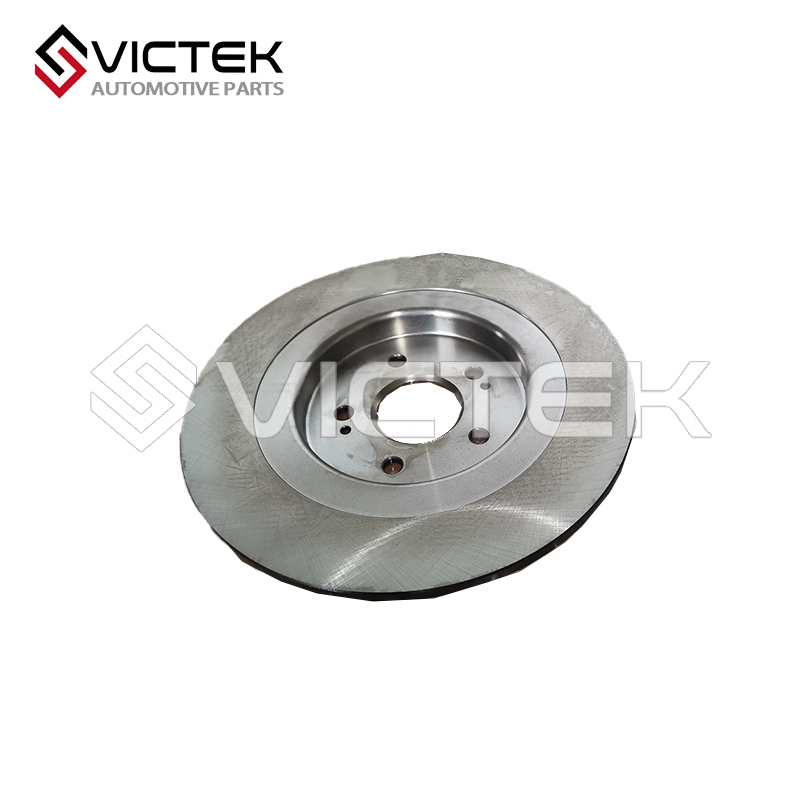
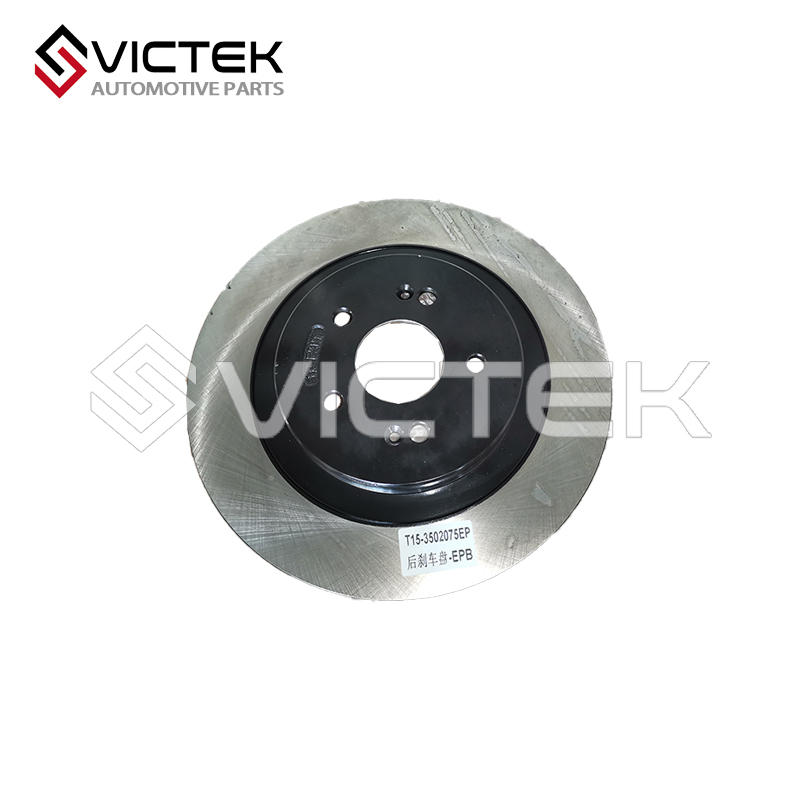
T15-3502075EP
Generate stopping friction: When you press the brake pedal, the rear brake calipers squeeze the brake pads against this disc’s friction surface. The friction between pad and disc slows the rear wheels, which helps the entire car stop—especially critical for balanced braking (prevents the front wheels from bearing all the stopping load).
Dissipate brake heat: Braking creates intense heat (from friction). The disc’s cast iron material and vented design (if equipped) quickly transfer this heat to the air—stopping the disc and pads from overheating. Overheated brakes lose power (“brake fade”), so this heat dissipation keeps braking consistent, even on downhill roads or in heavy traffic.
Maintain braking stability: Its smooth, flat friction surface ensures the brake pads grip evenly across the disc. This avoids uneven wear, brake vibration (a “pulsing” feeling in the pedal), or rear-wheel lockups—keeping the FX straight and controlled when stopping.
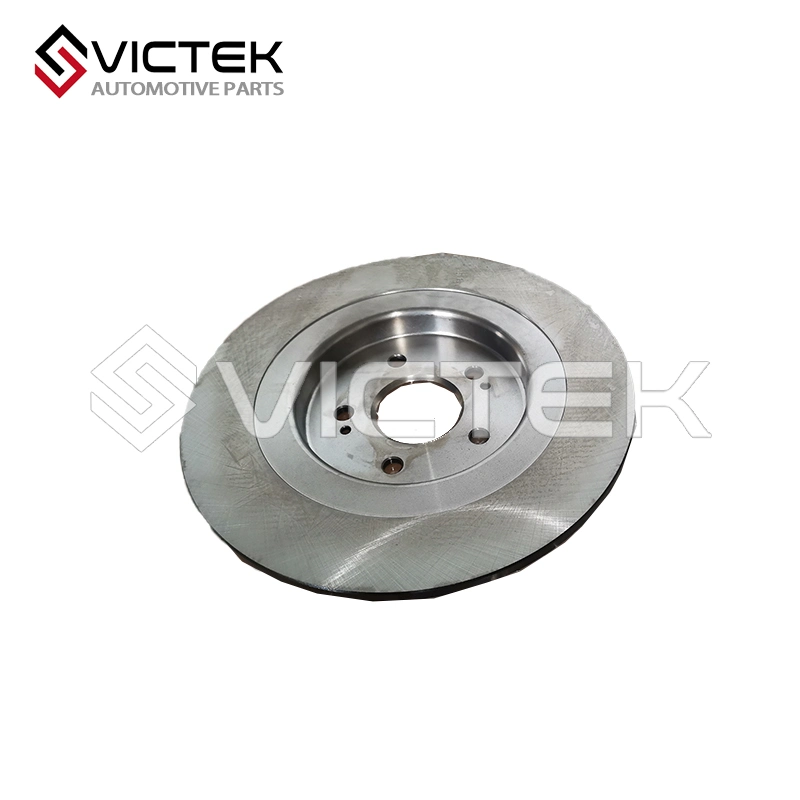
Fits These: All Chery FX variants (matches rear hub size, caliper design, and brake system load—confirm with VIN).
Won’t Fit These:
Non-Chery vehicles: Even if diameter is similar, their hub bolt patterns and caliper spacing differ (no functional fit; causes braking failure).
FX with modified rear brakes: Aftermarket calipers or big-brake kits change the disc size requirement—original disc won’t fit (leaves gaps or blocks calipers).
Prep: Safely lift the FX, remove the rear wheel, and disconnect the rear brake caliper (hang it with a wire to avoid damaging the brake hose).
Remove old disc: Techs unbolt the old disc from the rear hub (clean rust from the hub first—rust causes wobbling) and check the hub for damage.
Install new disc: They mount T15-3502075EP to the hub (tighten bolts to Chery’s torque specs), reattach the caliper with new brake pads (if needed), and “bed in” the disc and pads (gently brake repeatedly to create a smooth friction layer).
Test: They pump the brake pedal to restore pressure, then test drive to check for vibration, squealing, or uneven braking—ensuring the rear brakes work in sync with the front.
Inspect thickness yearly: Use a caliper to measure the disc’s thickness—if it’s below Chery’s minimum standard (usually marked on the disc), replace it (thin discs crack easily).
Check for cracks or warping: Look for small cracks on the friction surface or a wobbly disc (spin the wheel with the caliper removed)—damage means immediate replacement.
Clean brake dust monthly: Wipe brake dust off the disc with a damp cloth (dust contains corrosive particles that eat away at the metal).
Replace in pairs: Always replace both rear brake discs at the same time—uneven wear between left and right causes unbalanced braking (the FX may pull to one side when stopping).

Summary: Chery FX Rear Brake Disc (T15-3502075EP)

Contact us