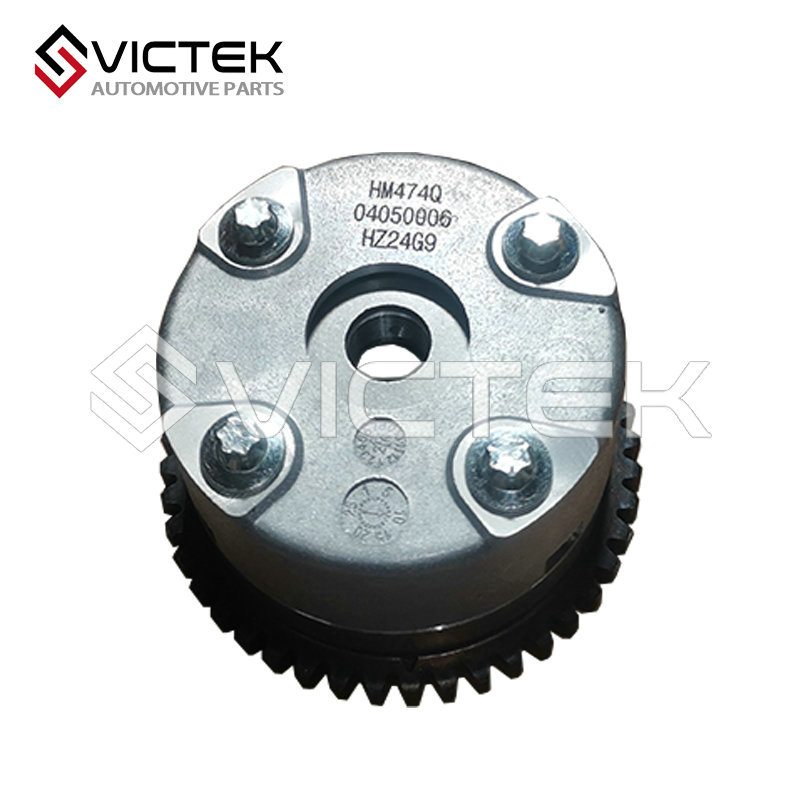
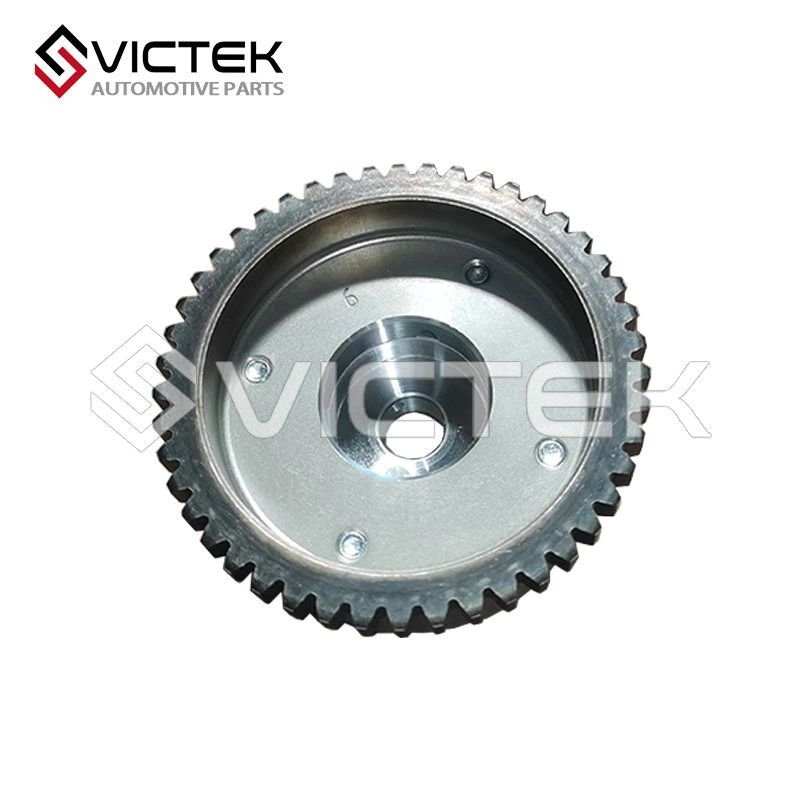
The 474Q-12-430 is an intake phaser with VVT (Variable Valve Timing) made just for the Haima S5—it’s a key part of the car’s engine valve timing system. As a big part of the VVT tech, its main job is to adjust the “phase angle” of the intake camshaft in real time, based on how the engine’s running (like speed, how hard it’s working, or how far you press the gas). By tweaking exactly when the intake valves open and close, it makes the engine suck in the air-fuel mix more efficiently. That means better power when you’re driving fast, better gas mileage when you’re going slow, and less exhaust. If your Haima S5’s original intake phaser is broken or worn out, this one replaces it directly—so the engine stays running smoothly and reliably.
It’s designed only for the Haima S5’s engine (specifically the one with code 474Q). The size, where it mounts, and how it connects to the camshaft are all calibrated just like the factory part. It lines up with the engine’s original VVT system perfectly—no need to grind interfaces or modify brackets when you replace it. This “drop-in” design makes repairs easier for mechanics, no worrying about fit issues like you get with universal parts. Plus, it works seamlessly with the Haima S5’s ECU (engine control unit) so signals communicate without problems.
It has a high-precision hydraulic control module and tough gear setup, so it responds fast to commands from the ECU. In just milliseconds, it can adjust the intake camshaft’s phase within a flexible range (usually ±15° to 20°). That makes sure the intake valves open and close at the best time for different driving situations:
Low speeds: It delays closing the intake valves to reduce leftover exhaust gas—so fuel burns better and you use less gas.
High speeds: It opens the intake valves earlier to let more air in—boosting engine power and torque (great for accelerating or driving fast).
The gear part is made of high-strength alloy steel, and the control housing uses heat-resistant engineering plastic. So it can handle the high heat (up to 120°C) and constant mechanical stress inside the engine. The gear teeth are machined precisely to minimize wear, and the hydraulic seals are made of heat-resistant rubber—no oil leaks (which is a common reason VVT systems break). If you use the car normally and do regular engine maintenance (like changing oil on time), this intake phaser works reliably for 60,000 to 80,000 kilometers.
It’s made to meet (or even beat) Haima’s original equipment standards. Every 474Q-12-430 goes through strict tests before shipping:
Phase Adjustment Test: Checks that the phaser’s adjustment range and response speed match the original part.
Durability Test: Simulates over 10,000 cycles of starting/stopping the engine and changing speeds to make sure it’s strong.
Leak Test: Puts the hydraulic module under high pressure (up to 5 bar) to check for oil leaks—so the VVT system doesn’t lose oil pressure.
These tests mean it performs just as well, lasts just as long, and is just as reliable as the original. No early breakdowns like you get with cheap aftermarket parts.
If your Haima S5’s original intake phaser is broken and you see these signs, this is the one to use:
Engine misfires, idles roughly, or has less power (because the valve timing is off).
The check engine light comes on (with VVT-related fault codes like P0010 or P0011).
You’re using more gas than usual, or the exhaust is abnormal (because the engine isn’t sucking in the air-fuel mix right).
Haima 4S shops, auto repair places, and engine maintenance pros all need this as a spare part. It lets them fix Haima S5s quickly, so owners don’t have to wait long for their cars.
If you own a Haima S5 with high mileage (over 60,000 km), or if you notice the VVT system is acting slow sometimes, replacing the intake phaser early is a good idea. It stops sudden engine problems and avoids expensive damage to the camshaft or valves later.
Make sure the engine is cool, then disconnect the battery. Mark where the original intake phaser and camshaft are—so you don’t mess up the timing when replacing.
Use special tools to take off the original phaser (don’t damage the camshaft threads). Clean the mounting surface to get rid of old oil or dirt.
Install the 474Q-12-430, making sure the gear teeth line up right with the camshaft. Tighten the mounting bolts to Haima’s specified torque (usually 25–30 N·m)—so they don’t come loose.
Reconnect the VVT solenoid’s wiring harness, add the right grade of oil to the engine (check the Haima S5 owner’s manual), then start the engine. Listen for weird noises and check if any fault codes pop up.
Change the engine oil and oil filter on time (follow Haima’s maintenance schedule). This makes sure the intake phaser’s hydraulic module gets clean oil—dirty oil can clog the module and make it stop adjusting.
Don’t use cheap or wrong-grade engine oil—it might not lubricate the phaser’s moving parts enough.
If the check engine light comes on and it’s related to the VVT system, fix the problem fast (like replacing a broken VVT solenoid). This keeps the intake phaser from getting too much stress.

Fits Haima S5 Perfectly (No Fuss)This intake phaser is made only for the Haima S5’s 474Q engine—its size, where it mounts, and how it connects to the camshaft are all set exactly like the factory part. It lines up with the car’s original VVT system without any extra work: no grinding interfaces, no adjusting brackets when you replace it. That “drop-in” design makes installation easy for mechanics, no worrying about fit issues like you get with one-size-fits-all parts. Plus, it talks to the Haima S5’s ECU (engine brain) smoothly, so no signal glitches.
VVT Works Like a CharmIt has a super precise hydraulic control module and tough gears, so it reacts fast when the ECU tells it to. In just milliseconds, it can tweak the intake camshaft’s angle (usually between ±15° to 20°) to get the intake valves opening/closing at the best time for how you’re driving:
Slow speeds: It holds the intake valves closed a little longer to cut down leftover exhaust gas—so fuel burns better, and you use less gas.
Fast speeds: It opens the intake valves earlier to let more air in—gives the engine more power and torque, which is great for accelerating or cruising at high speeds.
Tough & Doesn’t Wear Out EasyThe gears are made of strong alloy steel, and the control case uses plastic that can handle heat. So it stands up to harsh engine conditions: temperatures up to 120°C and constant mechanical stress. The gear teeth are cut precisely to avoid wear, and the hydraulic seals are rubber that resists heat—no oil leaks (which is a big reason VVT systems break). If you use the car normally and change the oil on time, this phaser works reliably for 60,000 to 80,000 km.
As Good as the Original Haima PartIt’s built to meet (or even beat) Haima’s original standards. Every single one gets tested before shipping:
They check if it adjusts the camshaft angle right and responds fast (matching the original part).
They simulate over 10,000 engine start-stops and speed changes to make sure it’s strong.
They pump high pressure (up to 5 bar) through the hydraulic part to check for oil leaks—so the VVT system doesn’t lose pressure.
These tests mean it performs just as well, lasts just as long, and is just as reliable as the original. No early breakdowns like you get with cheap off-brand parts.


Contact us