SRS ECU – Advanced Safety Control Unit for Airbag Systems
The
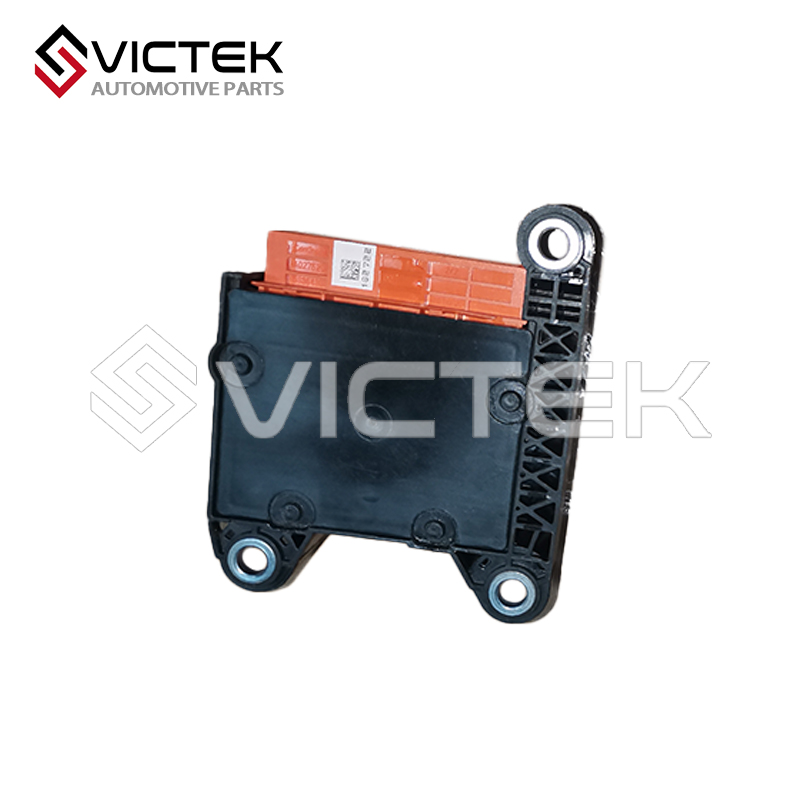
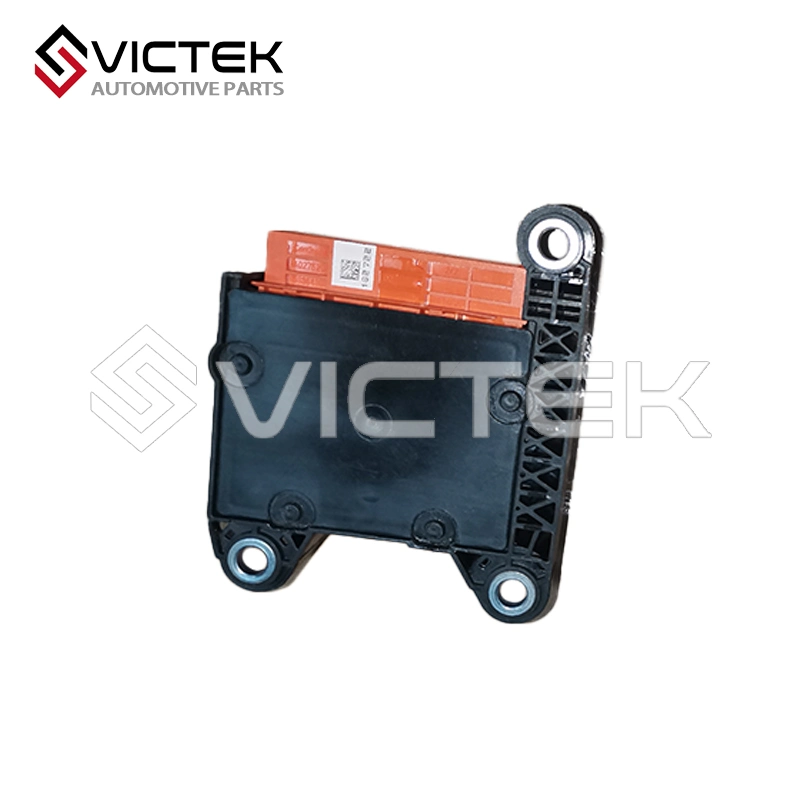
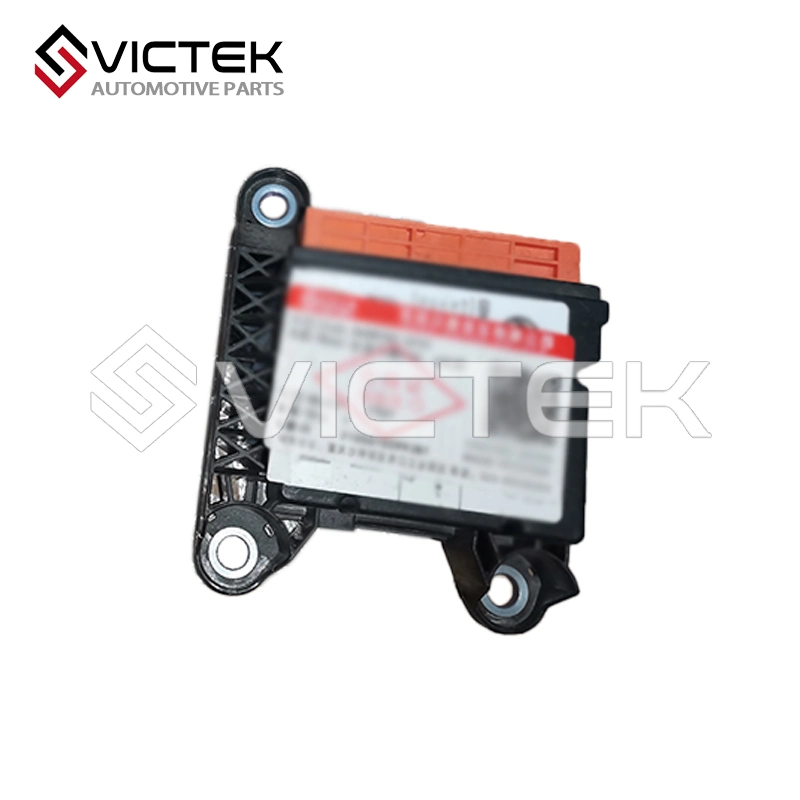
SRS ECU 658100 - SF02 (SRS = Supplemental Restraint System, ECU = Electronic Control Unit) is the "safety brain" of the Dongfeng Dignity IX5’s passive safety system. It is mainly applicable to 2019–2023 models and perfectly matches the 1.5T turbocharged/DK15C and 2.0L naturally aspirated/DFMB20 engines. Its core role is to real - time monitor the vehicle’s collision state, accurately judge whether to trigger the airbag and seat belt pre -
tensioner, and protect the driver and passengers from severe impact during a crash. Without a normally working SRS ECU, even if the airbag and pre - tensioner are intact, they cannot be activated in time when danger occurs. Below is a detailed description of this part:
As the control core of the passive safety system, the SRS ECU undertakes four key tasks to form a "safety protection chain":
Real - time Status Monitoring: It continuously collects signals from 8–12 sensors around the vehicle, including front collision sensors (installed in the front bumper), side collision sensors (in the door pillars), seat belt buckle sensors (on the front/rear seat buckles), and airbag pressure sensors. It monitors whether each component is in a normal state (such as whether the seat belt is buckled, whether the sensor circuit is unobstructed) at a frequency of 100 times per second.
Collision Judgment & Decision - making: When a collision occurs, it receives the "impact signal" from the collision sensor in milliseconds. It immediately compares the impact intensity (such as acceleration, collision force) with the preset safety threshold (calibrated for the IX5’s body structure). If the threshold is exceeded, it quickly decides which safety devices to trigger (e.g., front airbags alone for low - speed collisions, front airbags + side airbags + seat belt pre - tensioners for high - speed collisions).

The SRS ECU’s working process is like a “millisecond-fast response chain”—every step is set up to keep injuries as low as possible. Here’s how it breaks down:
When the car’s driving, the SRS ECU constantly picks up signals from all the sensors around the car. For example, if the driver forgets to buckle their seatbelt, the seatbelt buckle sensor sends an “unbuckled” signal to the ECU. Then the ECU tells the dashboard to remind the driver to fasten up—but it won’t turn on the yellow SRS warning light for this (that light’s only for system faults).
If the car hits something—like a wall or another car—the front collision sensor is the first to react. It detects the impact’s acceleration (say, 50G, where 1G equals 9.8 meters per second squared) and shoots an electrical signal to the SRS ECU in just 0.001 seconds. That’s faster than a blink of an eye!
The ECU
right away compares that acceleration signal to a preset threshold—for the IX5, the front collision threshold is around 30 to 40G. If the signal crosses that line, the ECU figures a “bad crash” is happening and starts the process to trigger the safety gear.
First, the ECU sends a 12V high-current signal to the seatbelt pre-tensioner—it triggers in 0.02 seconds. The pre-tensioner has a small pyrotechnic device that ignites, yanking the seatbelt tight to hold the driver or passenger’s body in place. Then, about 0.03 seconds later, the ECU sends a signal to the airbag inflator. The inflator makes nitrogen gas to blow up the airbag, creating a soft
cushion between the person’s body and the steering wheel or dashboard.
Once the collision is over, the ECU saves key info—like when the crash happened, how hard the impact was, and which safety parts (airbags, pre-tensioners) got triggered—in its “non-volatile memory.” This info doesn’t disappear even if the car loses power. Mechanics can read it with a diagnostic tool later to figure out what caused the crash.

Summary
Bottom line, the SRS ECU (part number 658100-SF02) is the final line of defense for the Dongfeng Dignity IX5’s passive safety system. How reliable it is directly decides whether the airbags and seatbelt pre-tensioners will actually do their job if a crash happens. Checking it regularly, using genuine parts when you need to replace it, and getting professional maintenance—those are the keys to keeping it running right. And at the end of the day, that’s what keeps you and your family safe.

Contact us