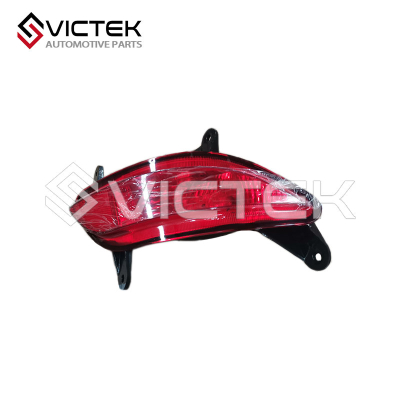
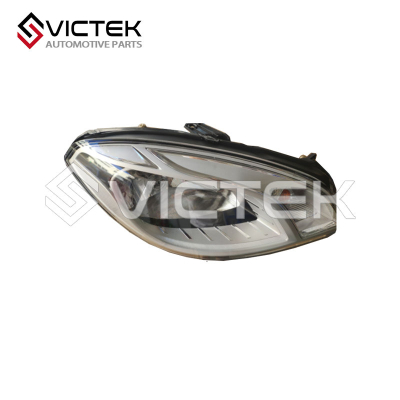
1108200-SA01
Brand: Dongfeng
Model: Dignity IX5
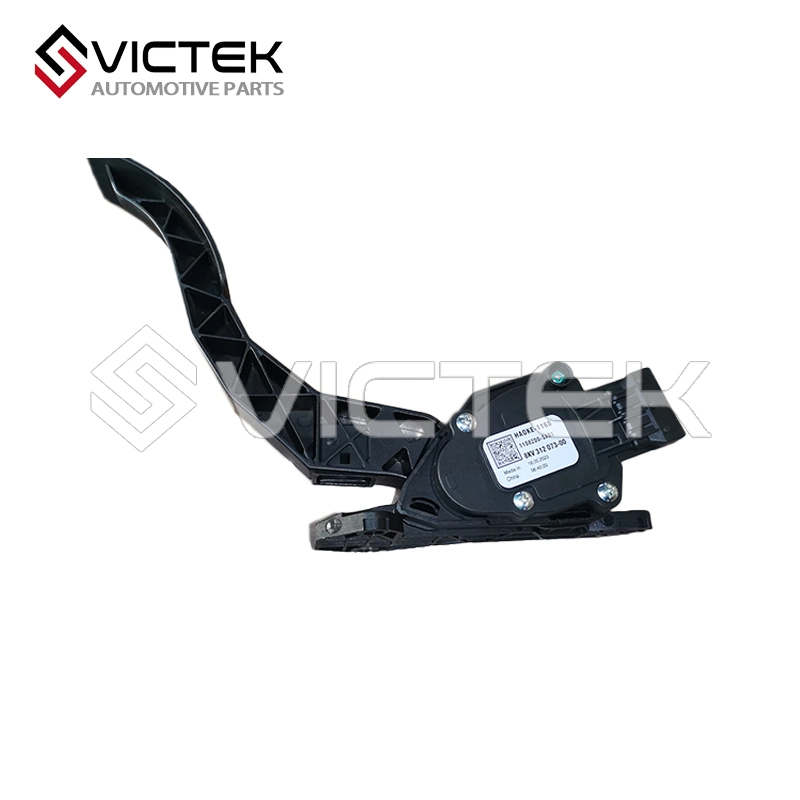
Product Name: Electronic accelerator pedal
Part Number: 1108200-SA01
Dongfeng Dignity IX5 Electronic Accelerator Pedal (Part No.: 1108200 - SA01)
1. Core Function & Vehicle Adaptability
Core Role
Adaptability Scope

Working Principle and Signal Transmission
The system operates via a fully electronic signal chain, eliminating mechanical losses and enabling rapid response with high precision:
Collection: When the driver depresses the accelerator pedal, the pedal arm rotates about its base hinge. A magnet integrated within the pedal arm moves relative to the Hall-effect sensor. This sensor converts the angular displacement of the pedalSignal Collection: When the driver depresses the accelerator pedal, the pedal arm rotates about the base hinge. A magnet integrated within the pedal arm moves relative to the Hall-effect sensor. This sensor converts the angular displacement of the pedal (corresponding to pedal stroke) into two independent analog voltage signals. These signals typically range from 0.5 V to 4.5 V and maintain a fixed 1:2 proportional relationship—for example, 0.5 V (corresponding to pedal stroke) into two analog voltage signals. These signals typically range from 0.5 V to 4.5 V and maintain a fixed 1:2 proportional relationship—for example, 0.5 V and 1.0 V at idle, and 4.5 V and 2.25 V at full actuation.
Signal Transmission: The generated voltage signals are transmitted through a dedicated wiring harness via a signal connector to the Engine and 1.0 V at idle, and 4.5 V and 2.25 V at full actuation.
Signal Transmission: The voltage signals are transmitted through a dedicated wiring harness via the signal connector to the Engine Control Unit (EC Control Unit (ECU). The transmission delay is ≤ 50 ms, ensuring no perceptible lag in powertrain response.
ECU Control: Upon reception, the ECU performs cross-validation of the two signalU). The transmission delay is ≤ 50 ms, ensuring no perceptible lag in powertrain response.
ECU Control: Upon reception, the ECU performs cross-validation of the two signal channels. If the deviation channels. If the deviation between them exceeds 10%, the system identifies a fault condition and activates "limp-home mode," which limits engine output for safety. Once validated, the ECU calculates the required throttle opening or fuel injection quantity based on real between them exceeds 10%, a fault condition is detected, and the vehicle enters "limp-home mode" to restrict engine output. Once validated, the ECU calculates the required throttle opening or fuel injection quantity based on real-time parameters such as engine-time parameters such as engine speed, load, and temperature, then issues control commands to the electronic throttle body or fuel injectors accordingly.
Pedal Reset: Upon release of the pedal by the driver, a return spring repositions the pedal arm to its initial rest position. The Hall sensor output returns to the idle-state voltage (0.5 V / 1.0 V), and the ECU adjusts the throttle to the idle opening angle.
1108200 - SA01Key Performance Parameters
These speed, load, and temperature, then issues control commands to the electronic throttle body or fuel injectors.
Pedal Reset: Upon release of the pedal by the driver, a return spring repositions the pedal arm to its initial state. The Hall specifications directly influence the pedal’s operational feel and long-term reliability:
Customers Visiting
Key Performance Parameters
These specifications directly influence pedal responsiveness, driving feel5, minimizing driver fatigue associated with excessively short or extended strokes.
Signal Precision: Angular detection accuracy achieves an error margin of ≤ ±1%, ensuring a linear relationship between pedal input and engine power delivery, without abrupt, and operational reliability:
Pedal Stroke: The effective travel range—from idle to wide-open throttle—is 15–18 mm. This range aligns with ergonomic design principles for the Dignity IX5, minimizing driver jumps or perceptible delays during acceleration.
Response Time: The interval from pedal actuation to ECU signal validation is ≤ 50 ms—approximately 30% faster than conventional mechanical throttle systems, which suffer from cable stretch and friction-induced fatigue associated with excessively short or long strokes.
Signal Precision: Angular detection accuracy achieves an error margin of ≤ ±1%, ensuring a linear relationship between pedal input and engine power delivery, without abrupt jumps or noticeable delays during delays.
Contact us